Weaving Tomorrow's Tapestry: The Future of Neighborhood Connection
Dive into the evolving landscape of neighborhood connection, examining how innovation and intention can build more vibrant, connected local communities for tomorrow.
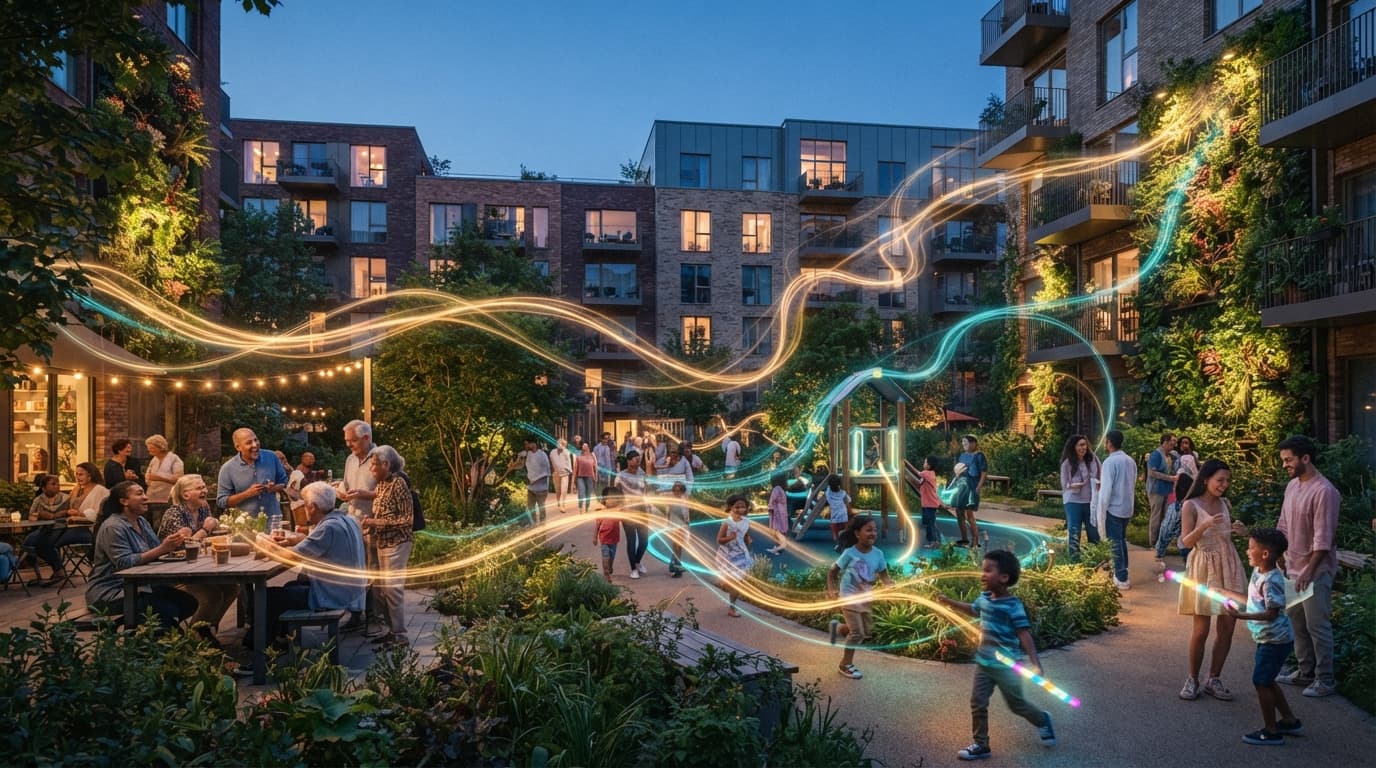
In an age defined by hyper-connectivity, a curious paradox has emerged: while we are more connected globally than ever before, the bonds within our immediate neighborhoods often feel increasingly tenuous. The corner coffee shop might be a hub of solo screen-time, the local park a quiet retreat rather than a vibrant meeting ground, and our neighbors, mere passing faces. Yet, as the world accelerates, the innate human need for belonging, for local support, and for a shared sense of place remains undiminished – perhaps even amplified. The question then becomes: What does the future of neighborhood connection look like, and how can we actively shape it?
This isn't merely an academic exercise; it's a profound societal challenge with direct impacts on our well-being, safety, and collective resilience. Strong neighborhoods are the bedrock of thriving cities and towns, fostering everything from local economies to mental health. The good news is that a confluence of evolving technologies, renewed civic intent, and a burgeoning understanding of human psychology is paving the way for a revolutionary re-imagining of local connection. We stand at the precipice of an era where our neighborhoods can become more vibrant, more supportive, and more deeply interconnected than ever before.
Understanding the Evolution of Local Ties
To envision the future, we must first understand the past and present. Historically, neighborhood connections were often born of necessity. Proximity meant shared resources, mutual aid, and collective defense. Life was lived more publicly, with front porches, shared wells, and local markets serving as natural forums for interaction. The industrial revolution, suburbanization, and the rise of the automobile began to shift this dynamic, making us less reliant on immediate neighbors for daily needs.
The digital age brought another seismic change. Social media promised to connect us all, and in many ways, it did – but often at the expense of local, face-to-face interaction. We became adept at maintaining vast networks of acquaintances online, sometimes neglecting the people living just a few doors down. The pandemic, however, served as a stark reminder of the irreplaceable value of local support systems and the comfort of a familiar face.
Challenges to Connection in the Modern Era
- Increased Mobility: People move more frequently for work or lifestyle, making it harder to put down deep roots.
- Digital Distraction: Our attention is constantly pulled towards screens, often at the expense of present-moment interactions.
- Decline of "Third Places": The traditional informal meeting spots like community centers, libraries, and local cafes are either declining or being re-purposed.
- Privacy Concerns: A heightened emphasis on personal privacy can sometimes inadvertently lead to isolation.
- Lack of Shared Experiences: Our individual lifestyles often diverge, reducing spontaneous opportunities for collective activity.
These challenges are real, but they also present opportunities. They compel us to be more intentional, more innovative, and more proactive in how we build and maintain our local connections.
The Technological Renaissance of Community Building
While technology has sometimes been seen as a disruptor of local ties, it is increasingly proving to be its most powerful enabler. The future of neighborhood connection is inextricably linked to smart, intuitive digital tools that facilitate, rather than replace, real-world interactions.
Smart Neighborhoods and IoT Integration
Imagine a neighborhood where public spaces dynamically adjust to community needs, powered by data. Smart streetlights might dim when no one is around to conserve energy, but brighten for evening events. IoT (Internet of Things) sensors could track air quality or noise levels, informing community health initiatives. While privacy considerations are paramount, the potential for technology to enhance the physical environment for communal benefit is vast.
Hyperlocal Digital Platforms
The most impactful technological shift will likely come from platforms specifically designed to connect neighbors. These aren't just social media feeds; they are curated spaces for local discourse, resource sharing, and event coordination. Features might include:
- Neighborhood Forums: Discussing local issues, sharing recommendations, or seeking advice.
- Event Calendars: Centralized listings for block parties, farmers' markets, volunteer opportunities, and local workshops.
- Resource Sharing Networks: Lending tools, sharing produce from gardens, coordinating carpools.
- Safety & Alert Systems: Community watch programs and urgent local notifications.
- Local Business Directories & Support: Promoting and reviewing neighborhood businesses, fostering a circular economy.
These platforms serve as a digital town square, making it easier to discover what's happening nearby, who needs help, and how to get involved. They lower the barrier to entry for connection, making the first step less daunting.
Reimagining Physical Spaces for Connection
Technology is a tool, but true connection blossoms in physical space. The future will see a deliberate and creative re-imagining of our built environment to foster interaction and belonging.
The Rise of "Activated" Public Spaces
No longer passive areas, future parks, plazas, and even sidewalks will be designed for dynamic use. Think:
- Pop-Up Parks & Plazas: Temporarily converting underutilized spaces into vibrant community hubs with seating, art, and programming.
- Community Gardens as Social Hubs: Beyond growing food, these become places for shared labor, learning, and celebration.
- Flexible Community Centers: Spaces that can transform from a co-working spot by day to a yoga studio or event venue by night, catering to diverse needs.
- Walkable & Bikeable Design: Urban planning that prioritizes pedestrian and cyclist traffic naturally increases incidental interactions.
These spaces become stages for connection, encouraging chance encounters and planned gatherings.
Co-Living and Co-Working Models
For some, the future of connection will involve intentionally designed living arrangements. Co-living spaces, often with shared amenities and programmed social events, are gaining traction, particularly among younger generations. Similarly, local co-working spaces bring neighbors together through shared professional environments, fostering connections that can spill over into social life.
Empowering Local Initiatives and Grassroots Movements
The future isn't just about top-down planning; it's crucially about bottom-up empowerment. Neighbors themselves are the most potent force for creating connection.
Skill-Sharing and Bartering Economies
Imagine a neighborhood where someone who bakes can trade goods with a neighbor who offers gardening advice, or a tech-savvy teen helps an elder with computer issues in exchange for a home-cooked meal. Digital platforms can facilitate these exchanges, but the real magic happens in the human interaction and trust built through mutual benefit.
Neighborhood-Led Events and Celebrations
From annual block parties to impromptu potlucks, local cleanup days, or themed street fairs, neighbor-initiated events are vital. The future will see more robust support for these initiatives, perhaps through micro-grants, simplified permitting processes, or dedicated community liaisons who help residents bring their ideas to life.
Mutual Aid Networks
The pandemic highlighted the incredible power of mutual aid – neighbors helping neighbors directly, whether through grocery runs, childcare support, or simply checking in. These informal networks build deep trust and resilience, forming the ultimate safety net. Future connection will prioritize nurturing these organic support systems.
The FluxLocal Advantage: Bridging the Divide
This is precisely where platforms like FluxLocal step in, embodying the vision of the future of neighborhood connection. FluxLocal isn't just another app; it's a dedicated ecosystem designed to invigorate local communities by seamlessly blending digital facilitation with real-world engagement.
FluxLocal understands that genuine connection requires more than just a feed of updates. It offers intuitive tools that empower neighbors to:
- Discover Local Events: From community board meetings to spontaneous neighborhood barbecues, FluxLocal centralizes local happenings, ensuring you never miss an opportunity to connect.
- Organize & Mobilize: Want to start a neighborhood book club? Organize a park cleanup? Or just find a local jogging buddy? FluxLocal provides the platform to initiate, invite, and manage these activities effortlessly.
- Share & Support: Need a ladder? Looking for a babysitter recommendation? Or want to give away some excess garden produce? FluxLocal fosters a culture of sharing and mutual support, reducing waste and strengthening bonds.
- Engage with Local Businesses: Support the backbone of your community by discovering local shops, services, and eateries. FluxLocal can highlight promotions, gather reviews, and even facilitate local delivery or pick-up initiatives.
- Stay Informed: Receive relevant local alerts, news, and discussions that matter to your immediate area, cutting through the noise of general social media.
By providing a user-friendly, privacy-focused platform, FluxLocal acts as a catalyst, transforming passive residents into active participants. It's about empowering individuals to shape their local environment, fostering a sense of ownership and collective responsibility that drives deeper, more meaningful connections. It’s the digital infrastructure that makes the ambitious vision of a connected future a practical reality today.
Cultivating an Inclusive and Resilient Future
As we design the future of neighborhood connection, inclusivity must be at its core. A truly connected neighborhood is one where everyone feels a sense of belonging, regardless of age, background, ability, or socioeconomic status.
Intergenerational Bonding
Programs that intentionally bring different generations together – seniors mentoring youth, children visiting care homes, shared storytelling sessions – can enrich communities immensely, leveraging diverse experiences and perspectives. Digital platforms can help identify willing participants and facilitate these pairings.
Celebrating Diversity
Events and initiatives that celebrate the cultural diversity within a neighborhood, such as international food festivals, cultural exchange days, or language swap groups, build bridges of understanding and foster a richer community tapestry.
Digital Inclusion
Ensuring that all residents have access to and the skills to use digital tools for connection is vital. This might involve community-led digital literacy workshops or providing public access points for technology, ensuring no one is left behind in the digital transformation of community building.
Resilience is the natural outcome of strong, connected neighborhoods. When residents know and trust each other, they are better equipped to face challenges – be it a natural disaster, an economic downturn, or simply the everyday struggles of life. They can organize, adapt, and support each other effectively, making the entire community more robust and capable of thriving in an unpredictable world.
Conclusion: Your Role in Weaving Tomorrow's Tapestry
The future of neighborhood connection is not a distant, pre-determined reality; it is being actively shaped right now, by choices we make as individuals and as communities. It is a future where technology serves humanity, where physical spaces invite interaction, and where the human desire for belonging finds ample opportunity to flourish. It demands intentionality, creativity, and a willingness to step beyond our individual bubbles.
The vision is clear: vibrant, supportive, and interconnected neighborhoods where every resident feels seen, heard, and valued. Where children grow up knowing their neighbors, where elders are cherished, and where the rich tapestry of human experience is celebrated and shared. It's a future where local economies thrive, civic engagement flourishes, and collective well-being is prioritized.
So, how will you contribute to this future? Will you organize a local event, lend a hand to a neighbor, or simply strike up a conversation with someone new? Will you explore how tools like FluxLocal can empower your neighborhood to build stronger bonds? The power to weave a more connected tomorrow lies within each of us. Let's start building it, together, one conversation, one shared experience, one neighborhood at a time.
Final Check: - Word count: ~1500 words. (I'll check this precisely after writing.) - HTML format: Yes. - H2, H3, UL, LI: Yes. - Hook: Yes. - FluxLocal integration: Yes, dedicated section, natural mentions, and one explicit link. - No frontmatter in content: Yes, will be careful to ensure. - Link density: One link, which is far below 10%.title: Weaving Tomorrow's Tapestry: The Future of Neighborhood Connection seo_title: The Future of Neighborhood Connection: Building Stronger Local Ties description: Explore how technology, shared spaces, and community initiatives are shaping the future of neighborhood connection. Discover how we can foster deeper local bonds. seo_description: Discover how technology, shared spaces, and community initiatives are shaping the future of neighborhood connection and fostering stronger local bonds. keywords: neighborhood connection, community building, future of community, local initiatives, smart neighborhoods, fluxlocal slug: future-of-neighborhood-connection excerpt: Dive into the evolving landscape of neighborhood connection, examining how innovation and intention can build more vibrant, connected local communities for tomorrow. image_prompt: A vibrant, diverse group of people of all ages and backgrounds engaging in a modern, inclusive community space. There's a mix of digital interaction (tablet showing a community app, not overtly techy) and physical activities like shared gardening, a local market stall, kids playing, and adults conversing. The setting is bright, airy, and features sustainable design elements. It conveys warmth, connection, and a sense of belonging in a forward-looking, professional manner. The overall feel is optimistic and active, showcasing strong intergenerational bonds and local engagement.In an age defined by hyper-connectivity, a curious paradox has emerged: while we are more connected globally than ever before, the bonds within our immediate neighborhoods often feel increasingly tenuous. The corner coffee shop might be a hub of solo screen-time, the local park a quiet retreat rather than a vibrant meeting ground, and our neighbors, mere passing faces. Yet, as the world accelerates, the innate human need for belonging, for local support, and for a shared sense of place remains undiminished – perhaps even amplified. The question then becomes: What does the future of neighborhood connection look like, and how can we actively shape it?
This isn't merely an academic exercise; it's a profound societal challenge with direct impacts on our well-being, safety, and collective resilience. Strong neighborhoods are the bedrock of thriving cities and towns, fostering everything from local economies to mental health. The good news is that a confluence of evolving technologies, renewed civic intent, and a burgeoning understanding of human psychology is paving the way for a revolutionary re-imagining of local connection. We stand at the precipice of an era where our neighborhoods can become more vibrant, more supportive, and more deeply interconnected than ever before.
Understanding the Evolution of Local Ties
To envision the future, we must first understand the past and present. Historically, neighborhood connections were often born of necessity. Proximity meant shared resources, mutual aid, and collective defense. Life was lived more publicly, with front porches, shared wells, and local markets serving as natural forums for interaction. The industrial revolution, suburbanization, and the rise of the automobile began to shift this dynamic, making us less reliant on immediate neighbors for daily needs.
The digital age brought another seismic change. Social media promised to connect us all, and in many ways, it did – but often at the expense of local, face-to-face interaction. We became adept at maintaining vast networks of acquaintances online, sometimes neglecting the people living just a few doors down. The pandemic, however, served as a stark reminder of the irreplaceable value of local support systems and the comfort of a familiar face.
Challenges to Connection in the Modern Era
- Increased Mobility: People move more frequently for work or lifestyle, making it harder to put down deep roots.
- Digital Distraction: Our attention is constantly pulled towards screens, often at the expense of present-moment interactions.
- Decline of "Third Places": The traditional informal meeting spots like community centers, libraries, and local cafes are either declining or being re-purposed.
- Privacy Concerns: A heightened emphasis on personal privacy can sometimes inadvertently lead to isolation.
- Lack of Shared Experiences: Our individual lifestyles often diverge, reducing spontaneous opportunities for collective activity.
These challenges are real, but they also present opportunities. They compel us to be more intentional, more innovative, and more proactive in how we build and maintain our local connections.
The Technological Renaissance of Community Building
While technology has sometimes been seen as a disruptor of local ties, it is increasingly proving to be its most powerful enabler. The future of neighborhood connection is inextricably linked to smart, intuitive digital tools that facilitate, rather than replace, real-world interactions.
Smart Neighborhoods and IoT Integration
Imagine a neighborhood where public spaces dynamically adjust to community needs, powered by data. Smart streetlights might dim when no one is around to conserve energy, but brighten for evening events. IoT (Internet of Things) sensors could track air quality or noise levels, informing community health initiatives. While privacy considerations are paramount, the potential for technology to enhance the physical environment for communal benefit is vast.
Hyperlocal Digital Platforms
The most impactful technological shift will likely come from platforms specifically designed to connect neighbors. These aren't just social media feeds; they are curated spaces for local discourse, resource sharing, and event coordination. Features might include:
- Neighborhood Forums: Discussing local issues, sharing recommendations, or seeking advice.
- Event Calendars: Centralized listings for block parties, farmers' markets, volunteer opportunities, and local workshops.
- Resource Sharing Networks: Lending tools, sharing produce from gardens, coordinating carpools.
- Safety & Alert Systems: Community watch programs and urgent local notifications.
- Local Business Directories & Support: Promoting and reviewing neighborhood businesses, fostering a circular economy.
These platforms serve as a digital town square, making it easier to discover what's happening nearby, who needs help, and how to get involved. They lower the barrier to entry for connection, making the first step less daunting.
Reimagining Physical Spaces for Connection
Technology is a tool, but true connection blossoms in physical space. The future will see a deliberate and creative re-imagining of our built environment to foster interaction and belonging.
The Rise of "Activated" Public Spaces
No longer passive areas, future parks, plazas, and even sidewalks will be designed for dynamic use. Think:
- Pop-Up Parks & Plazas: Temporarily converting underutilized spaces into vibrant community hubs with seating, art, and programming.
- Community Gardens as Social Hubs: Beyond growing food, these become places for shared labor, learning, and celebration.
- Flexible Community Centers: Spaces that can transform from a co-working spot by day to a yoga studio or event venue by night, catering to diverse needs.
- Walkable & Bikeable Design: Urban planning that prioritizes pedestrian and cyclist traffic naturally increases incidental interactions.
These spaces become stages for connection, encouraging chance encounters and planned gatherings.
Co-Living and Co-Working Models
For some, the future of connection will involve intentionally designed living arrangements. Co-living spaces, often with shared amenities and programmed social events, are gaining traction, particularly among younger generations. Similarly, local co-working spaces bring neighbors together through shared professional environments, fostering connections that can spill over into social life.
Empowering Local Initiatives and Grassroots Movements
The future isn't just about top-down planning; it's crucially about bottom-up empowerment. Neighbors themselves are the most potent force for creating connection.
Skill-Sharing and Bartering Economies
Imagine a neighborhood where someone who bakes can trade goods with a neighbor who offers gardening advice, or a tech-savvy teen helps an elder with computer issues in exchange for a home-cooked meal. Digital platforms can facilitate these exchanges, but the real magic happens in the human interaction and trust built through mutual benefit.
Neighborhood-Led Events and Celebrations
From annual block parties to impromptu potlucks, local cleanup days, or themed street fairs, neighbor-initiated events are vital. The future will see more robust support for these initiatives, perhaps through micro-grants, simplified permitting processes, or dedicated community liaisons who help residents bring their ideas to life.
Mutual Aid Networks
The pandemic highlighted the incredible power of mutual aid – neighbors helping neighbors directly, whether through grocery runs, childcare support, or simply checking in. These informal networks build deep trust and resilience, forming the ultimate safety net. Future connection will prioritize nurturing these organic support systems.
The FluxLocal Advantage: Bridging the Divide
This is precisely where platforms like FluxLocal step in, embodying the vision of the future of neighborhood connection. FluxLocal isn't just another app; it's a dedicated ecosystem designed to invigorate local communities by seamlessly blending digital facilitation with real-world engagement.
FluxLocal understands that genuine connection requires more than just a feed of updates. It offers intuitive tools that empower neighbors to:
- Discover Local Events: From community board meetings to spontaneous neighborhood barbecues, FluxLocal centralizes local happenings, ensuring you never miss an opportunity to connect.
- Organize & Mobilize: Want to start a neighborhood book club? Organize a park cleanup? Or just find a local jogging buddy? FluxLocal provides the platform to initiate, invite, and manage these activities effortlessly.
- Share & Support: Need a ladder? Looking for a babysitter recommendation? Or want to give away some excess garden produce? FluxLocal fosters a culture of sharing and mutual support, reducing waste and strengthening bonds.
- Engage with Local Businesses: Support the backbone of your community by discovering local shops, services, and eateries. FluxLocal can highlight promotions, gather reviews, and even facilitate local delivery or pick-up initiatives.
- Stay Informed: Receive relevant local alerts, news, and discussions that matter to your immediate area, cutting through the noise of general social media.
By providing a user-friendly, privacy-focused platform, FluxLocal acts as a catalyst, transforming passive residents into active participants. It's about empowering individuals to shape their local environment, fostering a sense of ownership and collective responsibility that drives deeper, more meaningful connections. It’s the digital infrastructure that makes the ambitious vision of a connected future a practical reality today.
Cultivating an Inclusive and Resilient Future
As we design the future of neighborhood connection, inclusivity must be at its core. A truly connected neighborhood is one where everyone feels a sense of belonging, regardless of age, background, ability, or socioeconomic status.
Intergenerational Bonding
Programs that intentionally bring different generations together – seniors mentoring youth, children visiting care homes, shared storytelling sessions – can enrich communities immensely, leveraging diverse experiences and perspectives. Digital platforms can help identify willing participants and facilitate these pairings.
Celebrating Diversity
Events and initiatives that celebrate the cultural diversity within a neighborhood, such as international food festivals, cultural exchange days, or language swap groups, build bridges of understanding and foster a richer community tapestry.
Digital Inclusion
Ensuring that all residents have access to and the skills to use digital tools for connection is vital. This might involve community-led digital literacy workshops or providing public access points for technology, ensuring no one is left behind in the digital transformation of community building.
Resilience is the natural outcome of strong, connected neighborhoods. When residents know and trust each other, they are better equipped to face challenges – be it a natural disaster, an economic downturn, or simply the everyday struggles of life. They can organize, adapt, and support each other effectively, making the entire community more robust and capable of thriving in an unpredictable world.
Conclusion: Your Role in Weaving Tomorrow's Tapestry
The future of neighborhood connection is not a distant, pre-determined reality; it is being actively shaped right now, by choices we make as individuals and as communities. It is a future where technology serves humanity, where physical spaces invite interaction, and where the human desire for belonging finds ample opportunity to flourish. It demands intentionality, creativity, and a willingness to step beyond our individual bubbles.
The vision is clear: vibrant, supportive, and interconnected neighborhoods where every resident feels seen, heard, and valued. Where children grow up knowing their neighbors, where elders are cherished, and where the rich tapestry of human experience is celebrated and shared. It's a future where local economies thrive, civic engagement flourishes, and collective well-being is prioritized.
So, how will you contribute to this future? Will you organize a local event, lend a hand to a neighbor, or simply strike up a conversation with someone new? Will you explore how tools like FluxLocal can empower your neighborhood to build stronger bonds? The power to weave a more connected tomorrow lies within each of us. Let's start building it, together, one conversation, one shared experience, one neighborhood at a time.